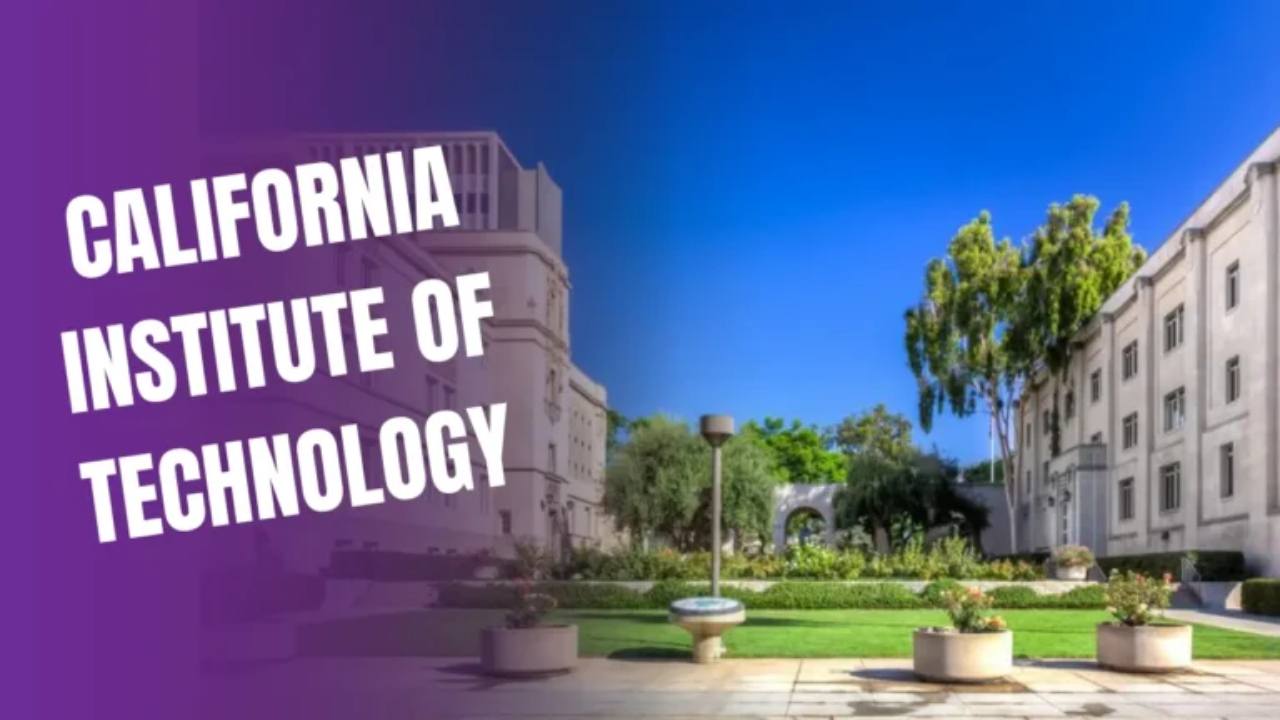
The California Institute of Technology (Caltech) is one of the world’s most prestigious universities, recognized for its outstanding contributions to science, engineering, and technological innovation. Located in Pasadena, California, Caltech has earned a global reputation for producing groundbreaking discoveries, Nobel Prize-winning research, and some of the brightest scientists, engineers, and entrepreneurs in history.
Although it is one of the smallest research universities in the United States, Caltech consistently ranks among the world’s best institutions because of its rigorous academics, exceptional faculty, and commitment to solving real-world challenges. Students who choose Caltech become part of a collaborative community where creativity, critical thinking, and scientific curiosity thrive.
Whether your dream is to explore space, develop revolutionary technology, study quantum physics, or advance medical research, Caltech offers an environment where innovation becomes reality.
California Institute of Technology at a Glance
| Feature | Details |
|---|---|
| University Name | California Institute of Technology (Caltech) |
| Founded | 1891 |
| Location | Pasadena, California, USA |
| Type | Private Research University |
| Campus Size | Approximately 124 Acres |
| Academic Divisions | Six |
| Student Population | Around 2,400+ |
| Known For | Science, Engineering, Space Research, Innovation |
| Mascot | Beavers |
History of Caltech
Caltech began its journey in 1891 as Throop University. During the early twentieth century, visionary scientists including George Ellery Hale, Arthur Amos Noyes, and Robert Andrews Millikan transformed the institution into one of the world’s leading centers for scientific education and research.
Over the decades, Caltech has become synonymous with excellence in physics, chemistry, biology, engineering, computer science, and space exploration. Its close partnership with NASA’s Jet Propulsion Laboratory (JPL) has helped shape many of humanity’s greatest achievements in space science.
Today, Caltech continues to influence global scientific progress through world-class research, innovation, and education.
Why Choose Caltech?
Caltech attracts talented students from around the world because of its unique academic culture and research opportunities.
Some of the biggest reasons students choose Caltech include:
- World-class faculty and Nobel Prize winners
- Small class sizes with personalized learning
- Exceptional undergraduate research opportunities
- Strong emphasis on innovation and discovery
- Cutting-edge laboratories and research facilities
- Collaboration with NASA and major research organizations
- Outstanding career and graduate school outcomes
Academic Programs
Caltech offers rigorous academic programs designed to prepare students for leadership in science, engineering, mathematics, and technology.
Undergraduate Programs
Caltech offers undergraduate majors known as “Options.” Students receive a strong foundation in mathematics, science, engineering, and humanities while participating in hands-on laboratory work and research projects.
Popular undergraduate programs include:
- Physics
- Computer Science
- Mechanical Engineering
- Electrical Engineering
- Aerospace Engineering
- Chemical Engineering
- Mathematics
- Biology
- Chemistry
- Environmental Science
- Bioengineering
Graduate Programs
Graduate students pursue Master’s and Doctoral degrees while working closely with renowned professors on cutting-edge research projects.
Graduate programs emphasize:
- Independent research
- Laboratory experience
- Innovation
- Scientific publications
- International collaboration
Academic Divisions
Caltech is organized into six academic divisions.
| Division | Focus Area |
|---|---|
| Biology and Biological Engineering | Genetics, Neuroscience, Biotechnology |
| Chemistry and Chemical Engineering | Molecular Science, Chemical Innovation |
| Engineering and Applied Science | Robotics, AI, Aerospace, Computing |
| Geological and Planetary Sciences | Earth Science, Climate, Planetary Research |
| Humanities and Social Sciences | Economics, History, Philosophy |
| Physics, Mathematics and Astronomy | Space Science, Quantum Physics, Mathematics |
Research Excellence
Research is at the heart of Caltech’s mission. Students begin participating in research early in their academic journey, working alongside internationally recognized scientists.
Research focuses on solving some of humanity’s biggest challenges, including:
- Climate change
- Artificial intelligence
- Space exploration
- Renewable energy
- Biomedical engineering
- Quantum computing
- Robotics
- Sustainable technologies
Major Research Centers
Caltech is home to numerous internationally respected research institutes.
| Research Center | Specialty |
|---|---|
| Jet Propulsion Laboratory (JPL) | Space Missions and Planetary Exploration |
| Kavli Nanoscience Institute | Nanotechnology |
| Resnick Sustainability Institute | Energy and Sustainability |
| Tianqiao and Chrissy Chen Institute | Neuroscience |
| Beckman Institute | Biological Sciences |
Undergraduate Research Opportunities
One of Caltech’s most unique features is its commitment to undergraduate research.
The Summer Undergraduate Research Fellowships (SURF) program allows students to conduct independent research under faculty supervision. Participants gain valuable experience by designing experiments, analyzing data, and presenting their findings professionally.
These experiences prepare students for graduate school, research careers, and leadership positions in science and engineering.
Innovation and Entrepreneurship
Caltech encourages students and faculty to transform innovative ideas into successful businesses and practical technologies.
Entrepreneurship support includes:
- Startup mentoring
- Technology commercialization
- Business development programs
- Patent support
- Industry partnerships
- Venture funding opportunities
Many successful technology companies have benefited from research conducted at Caltech.
Campus Life
Despite its relatively small size, Caltech offers an active and welcoming campus community.
Students enjoy a close-knit environment where collaboration is encouraged rather than competition.
Campus facilities include:
- Modern classrooms
- Advanced laboratories
- Libraries
- Student residences
- Athletic facilities
- Dining halls
- Performance venues
- Recreation centers
Housing and Residential Life
Most undergraduate students live on campus through Caltech’s unique House System.
Each residence develops its own traditions, events, and supportive community, helping students build lifelong friendships while maintaining a collaborative academic environment.
Graduate students also have access to comfortable university housing near campus.
Libraries and Learning Resources
Caltech provides extensive academic resources that support teaching and research.
Major libraries include:
- Sherman Fairchild Library
- Millikan Library
- Specialized science libraries
Students have access to:
- Digital journals
- Research databases
- Study rooms
- Computing resources
- Academic workshops
- Research support services
Student Organizations
Caltech offers numerous clubs and organizations that help students develop leadership, teamwork, and personal interests.
Popular activities include:
- Robotics clubs
- Astronomy clubs
- Programming competitions
- Entrepreneurship organizations
- Cultural associations
- Volunteer groups
- Music ensembles
- Student government
These organizations provide opportunities to meet peers with similar interests while developing valuable life skills.
Athletics and Recreation
Caltech believes physical wellness is an important part of student success.
Its athletic teams, known as the Beavers, compete in NCAA Division III sports.
Popular sports include:
- Basketball
- Soccer
- Tennis
- Swimming
- Track and Field
- Volleyball
- Baseball
Students can also participate in intramural sports, fitness classes, hiking trips, and recreational activities.
Diversity and Inclusion
Caltech welcomes students from diverse cultural, academic, and geographic backgrounds.
The university promotes an inclusive campus through:
- Diversity initiatives
- Student support programs
- Cultural organizations
- Leadership development
- Equal opportunity programs
- Community engagement activities
Community Outreach
Caltech extends its scientific expertise beyond campus by partnering with schools, research institutions, nonprofits, and government organizations.
Community engagement includes:
- STEM education programs
- Science workshops
- Volunteer opportunities
- Public lectures
- Environmental initiatives
- Educational outreach
These programs inspire future scientists while strengthening local communities.
Notable Alumni
Caltech alumni have made remarkable contributions across science, engineering, medicine, business, and government.
Many graduates have become:
- Nobel Prize winners
- NASA scientists
- Technology entrepreneurs
- University professors
- Engineers
- Medical researchers
- Business leaders
Their achievements continue to shape industries and improve lives around the world.
Career Opportunities After Caltech
Graduates enjoy outstanding career prospects because employers highly value Caltech’s rigorous education.
Common career paths include:
| Career | Industry |
|---|---|
| Research Scientist | Scientific Research |
| Aerospace Engineer | Aviation & Space |
| Software Engineer | Technology |
| Data Scientist | Artificial Intelligence |
| Biomedical Engineer | Healthcare |
| Physicist | Research Institutions |
| Professor | Higher Education |
| Entrepreneur | Technology Startups |
Future Vision
Caltech continues investing in advanced research, innovative teaching methods, sustainability, artificial intelligence, biotechnology, and global scientific collaboration.
The university aims to remain at the forefront of scientific discovery while preparing future generations of researchers and innovators to solve complex global challenges.
Frequently Asked Questions
Where is Caltech located?
Caltech is located in Pasadena, California, United States.
What is Caltech famous for?
Caltech is internationally recognized for excellence in science, engineering, space research, artificial intelligence, physics, chemistry, and innovation.
Is Caltech difficult to get into?
Yes. Caltech has one of the most competitive admission processes in the world and seeks students with exceptional academic achievements and strong research potential.
Does Caltech offer undergraduate research opportunities?
Yes. Nearly all students have opportunities to participate in research projects, including the famous Summer Undergraduate Research Fellowships (SURF) program.
What majors are popular at Caltech?
Popular majors include Computer Science, Physics, Mathematics, Aerospace Engineering, Mechanical Engineering, Chemistry, Biology, and Electrical Engineering.
Conclusion
The California Institute of Technology stands among the world’s most respected institutions for science, engineering, and innovation. Its commitment to academic excellence, groundbreaking research, and hands-on learning creates an environment where students can transform ideas into discoveries that change the world.
From its internationally renowned faculty and cutting-edge research laboratories to its collaborative campus culture and strong industry partnerships, Caltech offers an exceptional educational experience for students who aspire to become leaders in science and technology. Whether pursuing groundbreaking research, launching innovative startups, or advancing humanity’s understanding of the universe, Caltech continues to shape the future through knowledge, creativity, and discovery.